The genetic mystery of why some people develop autism


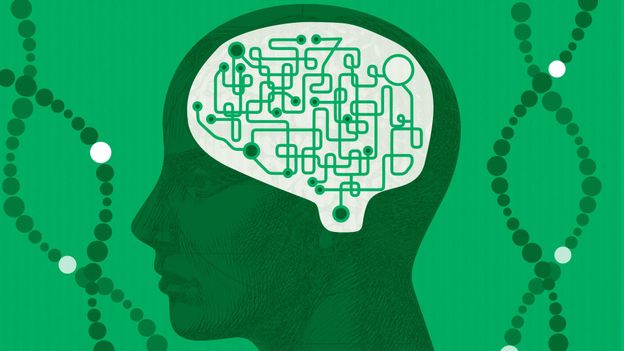
Autism remains one of the most complex conditions linked to human genetics and brain development. Scientists are still piecing together why some people develop autism while others do not, even when they share similar genetic traits. Research indicates that autism is not caused by a single gene but by a combination of many, each playing a small role. Environmental influences during early brain development may also interact with genetics, shaping the condition in unique ways. Recent studies suggest that some of these genetic variations are also tied to broader aspects of human intelligence and creativity, offering a deeper understanding of brain evolution. This growing knowledge is helping researchers shift from viewing autism only as a disorder to recognizing it as part of natural human diversity. Understanding these genetic mysteries may open doors to better support, early interventions, and a more inclusive view of neurodiversity in society.
The Key points
- Autism arises from multiple genetic variations, not a single gene.
- Environmental factors interact with genes during brain development.
- Some autism-linked genes overlap with human intelligence traits.
- Research connects autism genetics to brain evolution studies.
- Early-life biology strongly influences autism risk patterns.
- Autism is increasingly seen as part of neurodiversity.
- Genetic complexity explains why autism varies widely among individuals.
- Studies highlight creativity links with autism-related genes.
- Understanding genetics may lead to better early interventions.
Disclaimer: This preview includes title, image, and description automatically sourced from the original website (www.bbc.com) using publicly available metadata / OG tags. All rights, including copyright and content ownership, remain with the original publisher. If you are the content owner and wish to request removal, please contact us from your official email to no_reply@newspaperhunt.com.