Why Peak Incidence For Breast Cancer In India Occurs Between Ages 40–50, Compared To 60–70 In The US & Europe | Health and Me


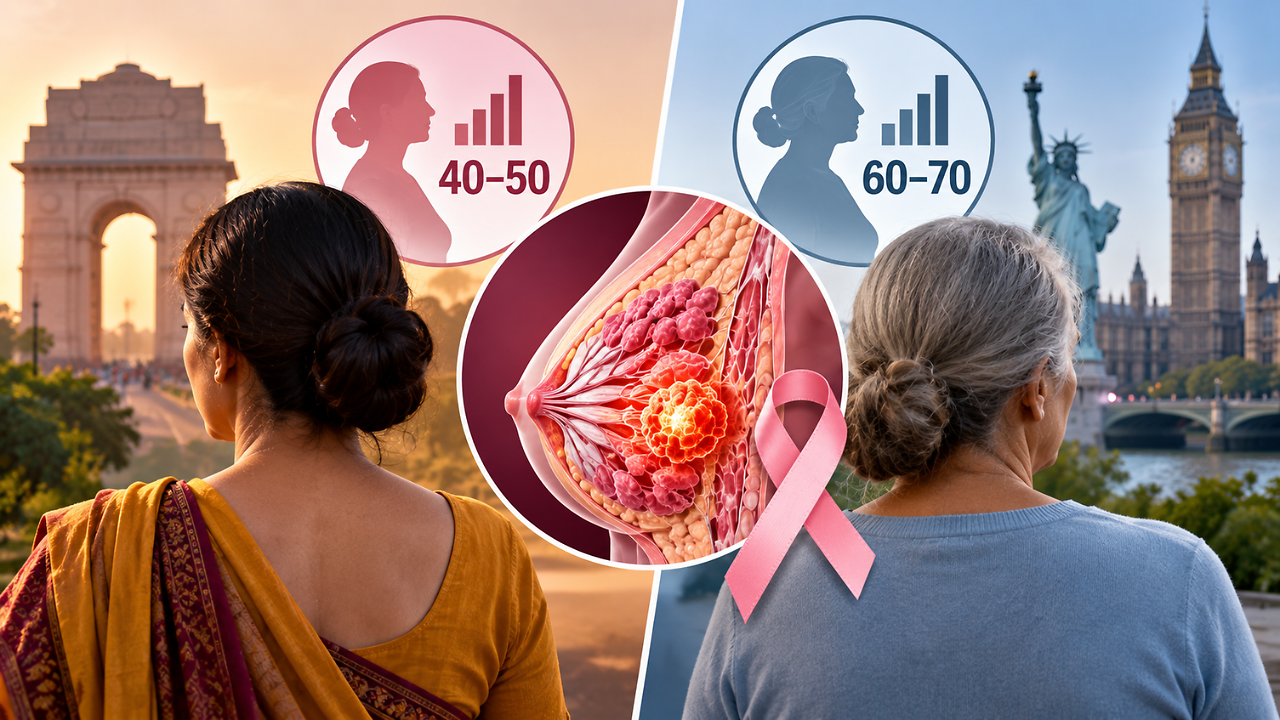
Unlike Western nations where breast cancer predominantly surfaces between ages sixty and seventy, Indian women face peak diagnoses a decade or two earlier, typically in their forties and fifties. Experts attribute this earlier onset to a combination of shifting reproductive patterns, modern lifestyle adjustments, urbanization, and genetic factors such as inherited BRCA mutations. Additionally, demographic pyramids in India heavily skew younger. Coupled with lower awareness, societal stigma, and financial hurdles, many patients experience delayed diagnoses, often discovering the disease at more advanced stages. While hospital data frequently points toward aggressive cancer subtypes among younger demographics, healthcare professionals emphasize that early awareness remains vital. Experts advocate for customized screening protocols, vigilant self-examinations, and improved public health frameworks to facilitate prompt detection and improve treatment outcomes for women across the country.
The Key points
- Peak diagnosis occurs in ages 40–50 in India, compared to 60–70 in the US and Europe.
- Shifting reproductive trends like delayed first pregnancies and reduced breastfeeding influence risk.
- Urbanization, poor diets, physical inactivity, and weight gain contribute to rising cases.
- Genetic factors like inherited BRCA1 and BRCA2 mutations elevate susceptibility in youth.
- India's broader young demographic pyramid heavily influences the age profile of diagnoses.
- Stigma, poor awareness, and financial constraints often lead to delayed medical check-ups.
- Younger women frequently ignore early warning signs assuming they are too young.
- Hospital studies show higher rates of aggressive tumor subtypes in certain cohorts.
- Regular self-exams and early medical evaluations are crucial regardless of age.
- India needs customized, risk-appropriate screening frameworks and robust public awareness campaigns.
Disclaimer: This preview includes title, image, and description automatically sourced from the original website (www.healthandme.com) using publicly available metadata / OG tags. All rights, including copyright and content ownership, remain with the original publisher. If you are the content owner and wish to request removal, please contact us from your official email to no_reply@newspaperhunt.com.