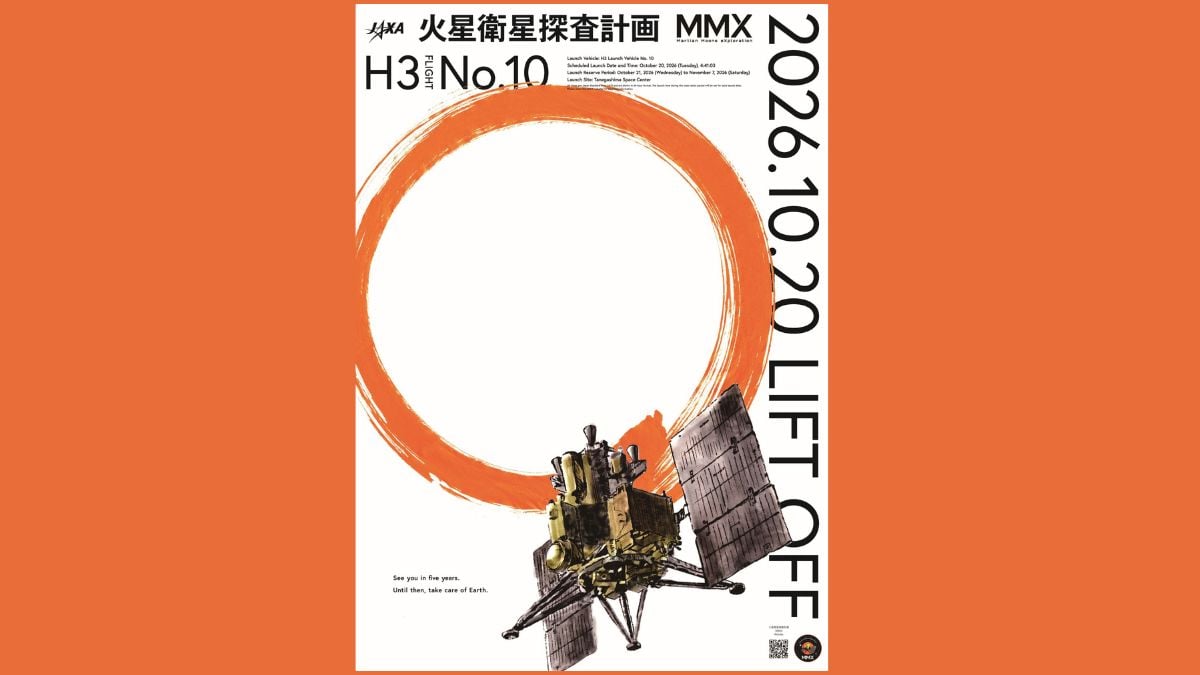
Japan to launch first round trip Mars mission to bring back 10g dust


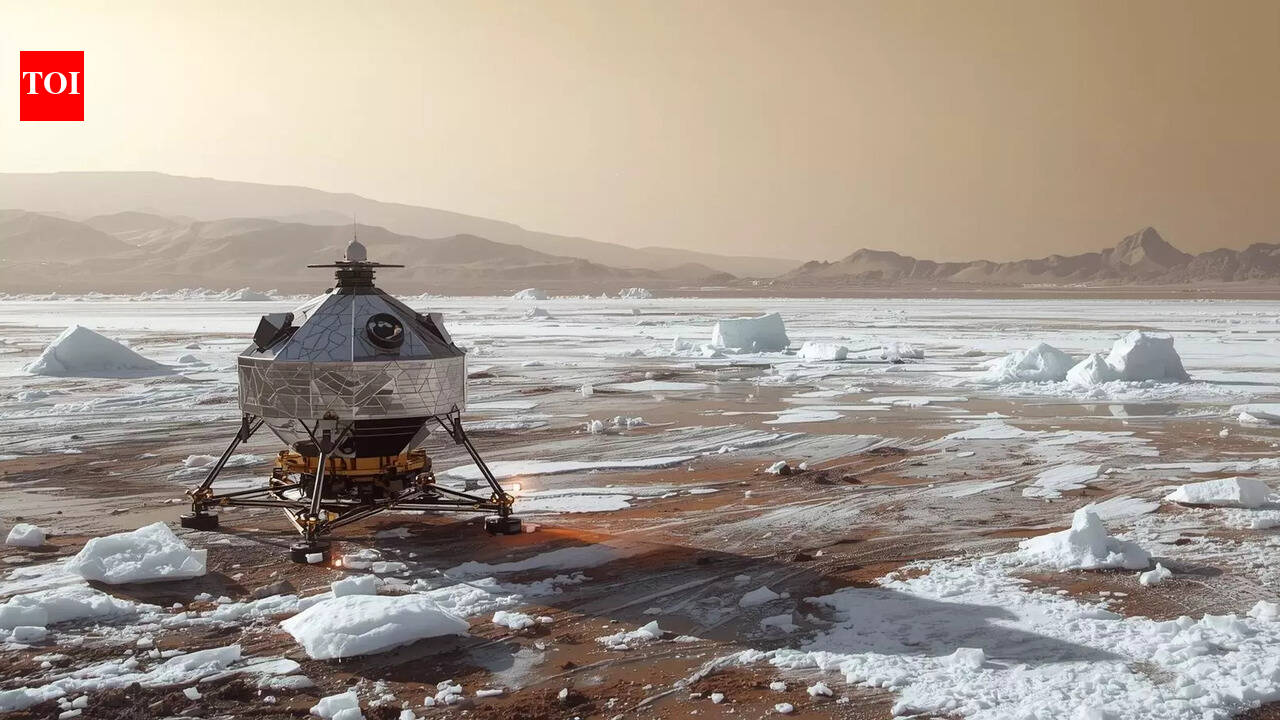
Japan's space agency is preparing to launch a historic interplanetary expedition aimed at retrieving priceless regolith from Phobos, one of Mars' natural satellites. Scheduled to lift off using an H3 rocket from Tanegashima, the ambitious Martian Moons eXploration spacecraft marks an unprecedented global milestone by attempting a complete round-trip journey to the Red Planet's vicinity. Rather than descending onto the main planetary terrain, the craft will enter Martian orbit to study both Phobos and Deimos closely, deploying a specialized French-German rover to harvest ten grams of subsurface soil. Scientists hope this pristine extraterrestrial dust will resolve longstanding debates regarding whether these moons formed from captured asteroids or planetary debris. Supported by NASA-engineered canisters, the return module will embark on its homeward trek, with the precious cargo expected to parachute into Australia by 2031.
The Key points
- JAXA is launching the historic Martian Moons eXploration spacecraft via an H3 rocket.
- It stands as the world's first space venture to retrieve samples directly from a Martian moon.
- The heavy spacecraft weighs nearly 5,000 kilograms and utilizes a three-module architecture.
- It is scheduled to reach Martian orbit by August 2027 to closely analyze Phobos and Deimos.
- A collaborative French-German rover will land on Phobos to collect ten grams of regolith.
- The mission builds on the successful technology demonstrated by the Hayabusa-2 asteroid project.
- Collected specimens will help scientists determine if the moons are captured asteroids or planetary fragments.
- The return capsule will parachute down in southern Australia by the year 2031.
- Findings will provide crucial insights into early solar system evolution and planetary history.
- The venture proves deep-space round-trip feasibility for future crewed exploration initiatives.
Disclaimer: This preview includes title, image, and description automatically sourced from the original website (theprint.in) using publicly available metadata / OG tags. All rights, including copyright and content ownership, remain with the original publisher. If you are the content owner and wish to request removal, please contact us from your official email to no_reply@newspaperhunt.com.