How Iran's strikes on Qatar's Ras Laffan, world's largest LNG hub & other Middle East oil & gas infra, will impact India - The Times of India


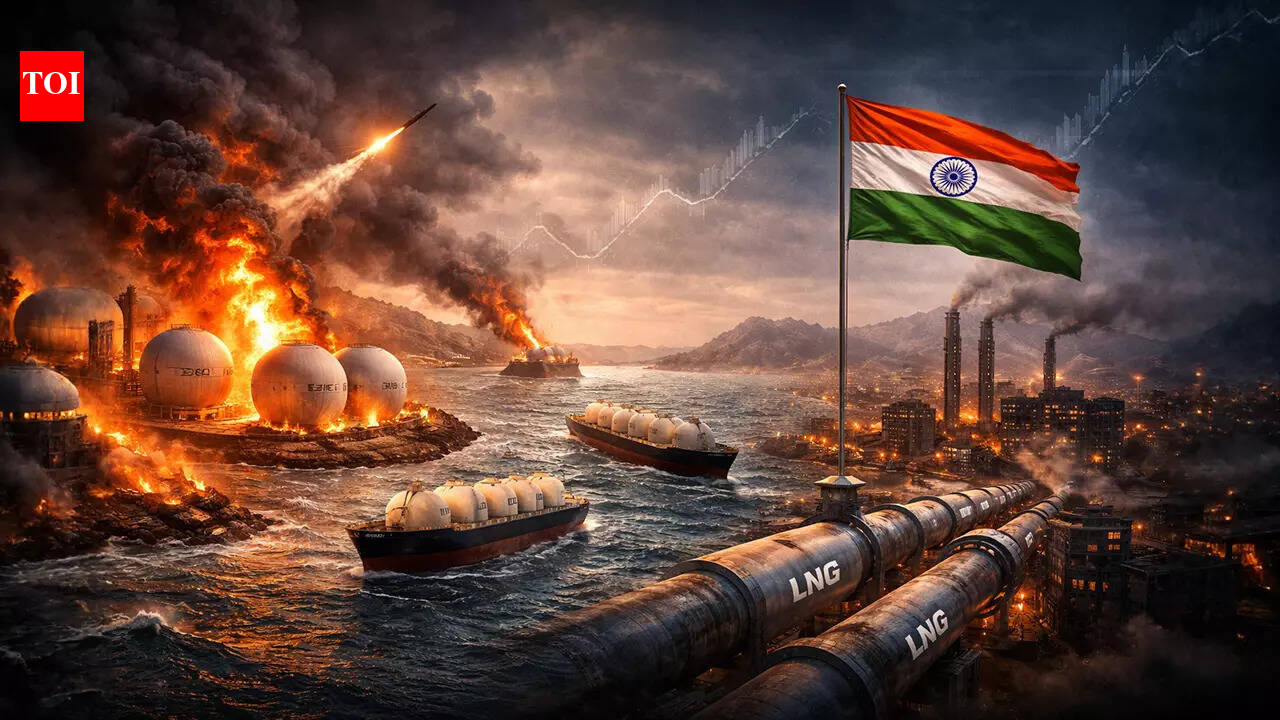
Rising tensions in the Middle East, particularly involving strikes near Qatar’s Ras Laffan—one of the world’s largest LNG export hubs—are raising concerns for India’s energy security. India depends heavily on imported crude oil and liquefied natural gas (LNG) from this region, making any disruption a serious economic risk. If production or shipping routes are affected, global energy prices could surge, increasing India’s import bill and putting pressure on inflation. Industries reliant on gas, including power and fertilizers, may face supply challenges. Shipping disruptions through key routes like the Strait of Hormuz could further worsen the situation. While India has diversified its energy sources in recent years, the Middle East remains critical. The government may need to rely on strategic reserves, alternative suppliers, and policy measures to stabilize supply and control price shocks.
The Key points
- Ras Laffan is a major global LNG export center.
- Regional conflict could disrupt oil and gas supply chains.
- India relies heavily on Middle East energy imports.
- Supply shocks may increase fuel and gas prices.
- Inflation risks could rise due to higher import costs.
- Key shipping routes like Hormuz face potential threats.
- Industries using LNG may face shortages.
- India’s diversification efforts offer partial protection.
- Strategic reserves may help manage short-term supply gaps.
- Government may take steps to stabilize energy markets.
Disclaimer: This preview includes title, image, and description automatically sourced from the original website (timesofindia.indiatimes.com) using publicly available metadata / OG tags. All rights, including copyright and content ownership, remain with the original publisher. If you are the content owner and wish to request removal, please contact us from your official email to no_reply@newspaperhunt.com.