The Most Common Signs of Stress


Regardless of age, stress is a fairly widespread condition in today’s world. In the modern mechanical living style, humans are under constant pressure, from childhood to old age. It is not an exaggeration to say that for a few people, stress is bothering them even during sleep.
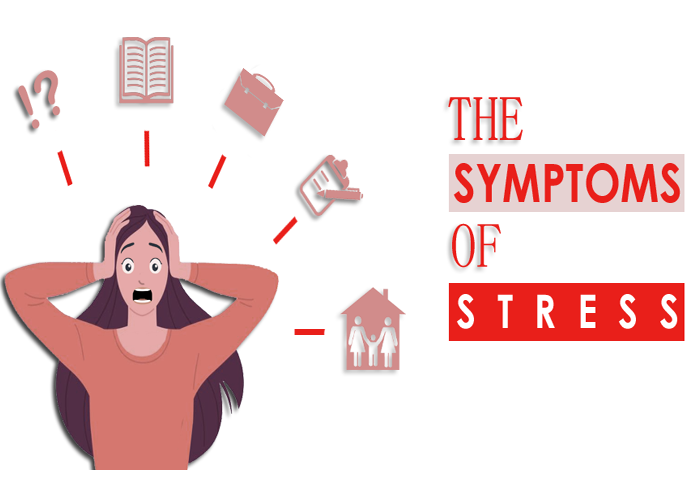
How can I identify this strain? Exist any varieties of these? Let’s find out now. The symptoms of stress can differ from person to person and can take many different forms. The following are some typical signs of stress that are behavioral, emotional, and physical.
Physical Symptoms:
Headaches: Tension headaches or migraines.
Muscle tension: Especially in the neck, shoulders, and back.
Fatigue: Feeling tired, even after adequate rest.
Sleep disturbances: Difficulty falling asleep, staying asleep, or experiencing restful sleep.
Digestive issues: Nausea, stomach pain, or changes in bowel habits.
Chest pain or tightness: Sometimes mistaken for a heart attack.
Changes in appetite: Overeating or loss of appetite.
Frequent illnesses: Weakened immune system, leading to more frequent colds or infections.
Rapid heartbeat: Increased heart rate due to stress hormones.
Emotional Symptoms:
Irritability: Easily angered or frustrated.
Anxiety: A sense of worry or fear, often about future events.
Depression: Feelings of sadness, hopelessness, or lack of interest in activities.
Mood swings: Rapid and unpredictable changes in emotions.
Feeling overwhelmed: Difficulty managing day-to-day tasks.
Low self-esteem: Negative thoughts about oneself.
Difficulty concentrating: Racing thoughts or inability to focus.
Behavioral Symptoms:
Changes in sleep patterns: Insomnia or oversleeping.
Isolation: Withdrawing from social activities or relationships.
Procrastination: Avoiding tasks or responsibilities.
Changes in eating habits: Overeating or undereating.
Increased use of substances: Dependence on alcohol, tobacco, or other substances.
Nervous habits: Nail-biting, pacing, or other repetitive behaviors.
Decreased libido: Loss of interest in sexual activity.
It’s important to note that while stress is a normal part of life, chronic or excessive stress can have negative effects on both physical and mental health. If you or someone you know is experiencing persistent and severe stress symptoms, it’s advisable to seek support from a healthcare professional or mental health provider. They can help identify the underlying causes of stress and provide appropriate coping strategies.
Disclaimer: The content published above is collected from various sources such as Internet, Web portals, Publications etc. for information purpose only. It is advised not to take it as a norm without consulting proper professional advisors in their respective subjects.