Flying into the US? You will be photographed and entered into a facial recognition database - The Times of India


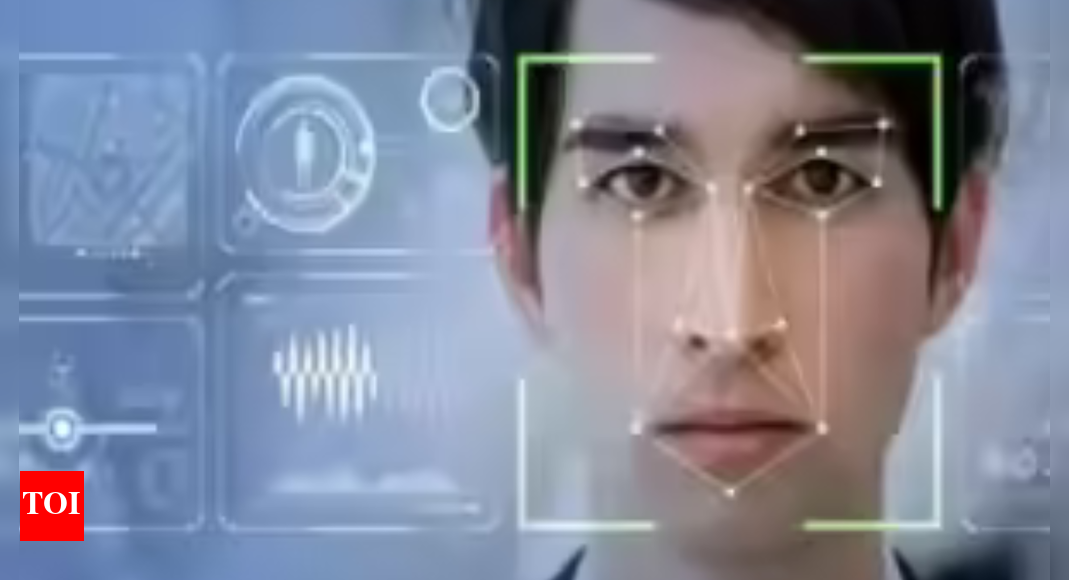
The U.S. Customs and Border Protection (CBP) is expanding its biometric surveillance efforts to include photographing nearly every non-U.S. citizen who enters or exits the country. According to a rule published in the Federal Register, this policy will require facial-recognition images for international travellers — including individuals previously exempt, such as children under 14 and adults over 79. The images will feed into a broader database and be cross-matched with existing records, aiming to strengthen border security, curb visa overstays and detect identity fraud. While officials argue this will streamline entry and exit processing, the move has triggered strong concerns from privacy and civil-liberties advocates over data retention, accuracy and potential misuse of biometric records.
The Key points
- The CBP will require facial photographs of nearly all non-citizens entering or leaving the U.S. as part of a biometric programme.
- The policy includes travellers who were previously exempt, such as kids under 14 and seniors over 79.
- Biometric data will be matched against passports, visas and other identity records to verify travellers.
- The objective is to enhance border security by better tracking entry and exit and reducing illegal stays.
- The rule applies to airports, seaports and land border crossings.
- Critics warn of heightened privacy risks, including long-term storage of biometric images and potential misuse.
- Facial recognition systems have known issues with misidentifying minority groups, raising concerns of bias.
- Some travellers may face delays or extra scrutiny if their biometrics don’t match prior records.
- The programme reflects a global shift toward automated identity checks at borders and greater reliance on biometrics.
- Legal and ethical questions remain around options for opt-out, transparency and how long data will be held.
Disclaimer: This preview includes title, image, and description automatically sourced from the original website (timesofindia.indiatimes.com) using publicly available metadata / OG tags. All rights, including copyright and content ownership, remain with the original publisher. If you are the content owner and wish to request removal, please contact us from your official email to no_reply@newspaperhunt.com.