8 hidden dangers of vitamin D overdose and how to reverse it naturally - When “more” turns harmful | The Economic Times


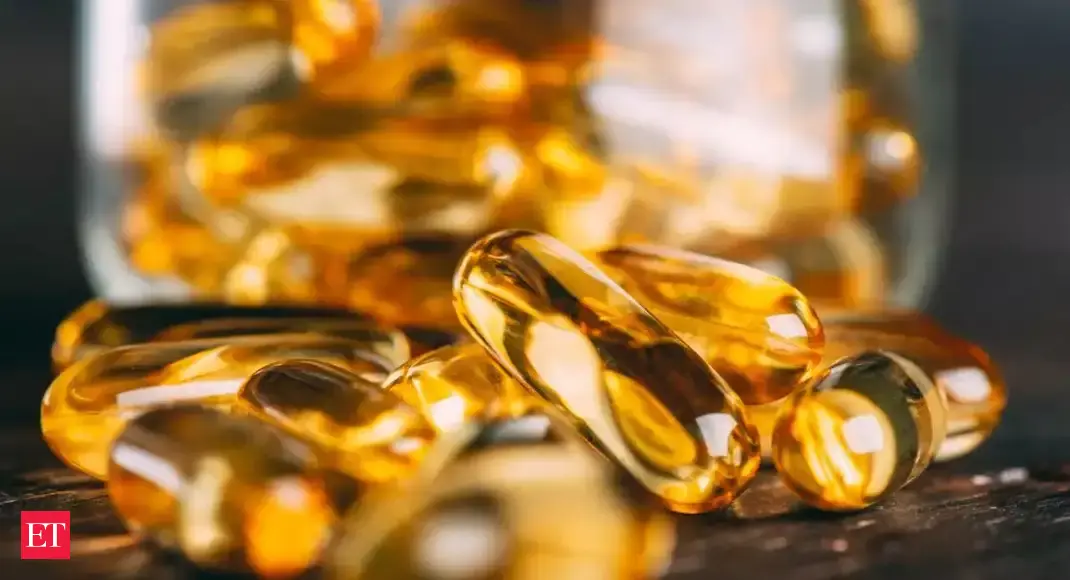
Vitamin D is essential for strong bones and a healthy immune system, but taking too much—often via high-dose supplements—can push your body into trouble. Overconsumption may drive up calcium levels in the blood, placing a heavy burden on your kidneys, heart, and brain. Because the warning signs are often vague—such as fatigue, increased thirst or muscle weakness—many don’t recognise the issue until damage has already begun. Fortunately, reversing the effects is possible: pausing excessive supplements, reducing combined vitamin-D plus calcium intake, and staying well-hydrated help your body correct itself. Moderating sun exposure, maintaining normal calcium intake and working with a healthcare professional to monitor blood levels are practical steps to reduce risk. In short: vitamin D supports health… unless it crosses the line into excess.
The Key points
- Excess vitamin D boosts calcium absorption, which can overload the bloodstream and trigger symptoms like thirst, frequent urination and nausea.
- Elevated calcium levels can lead to dehydration and worsen muscle weakness or fatigue.
- Long-term high calcium may encourage kidney stone formation and reduce renal function.
- Heart issues such as palpitations, irregular rhythm or blood pressure changes may stem from vitamin D-induced calcium imbalance.
- Although vitamin D helps bones, too much may paradoxically cause bone pain and muscle weakness.
- Early detection matters—symptoms are non-specific and easily mistaken for other conditions.
- First step to reverse: stop high-dose vitamin D and avoid combined calcium-vitamin D products until cleared by a doctor.
- Support kidney health by drinking 2.0–2.5 litres of water daily (in absence of fluid restrictions) and minimise sodium intake.
- Maintain moderate dietary calcium (don’t eliminate it) and avoid deliberate over-sun-exposure while your vitamin D levels are elevated.
- Healthcare supervision is key: get your vitamin D and calcium levels tested and adjust supplementation based on results.
Disclaimer: This preview includes title, image, and description automatically sourced from the original website (economictimes.indiatimes.com) using publicly available metadata / OG tags. All rights, including copyright and content ownership, remain with the original publisher. If you are the content owner and wish to request removal, please contact us from your official email to no_reply@newspaperhunt.com.