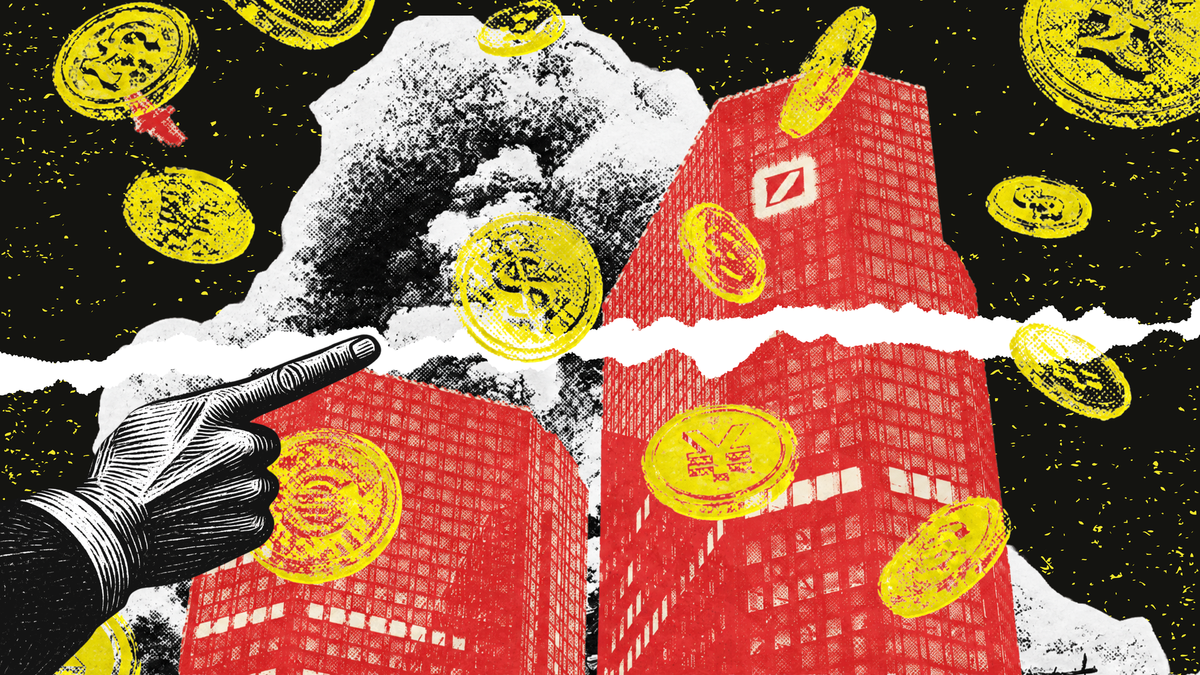
Leak of 15 million files from Deutsche Bank exposes secrets, scandals and double standards


A historic leak of over 15 million internal files from Deutsche Bank has exposed deep institutional flaws, regulatory failures, and deep ties to controversial global figures. Obtained by journalists Josy Joseph and Khadija Sharife from whistleblowers who also shared the data with US and UK authorities, the cache was analyzed by more than 200 reporters across 50 countries. The documents challenge CEO Christian Sewing's promise to clean up the bank following past controversies. They reveal how compliance systems were repeatedly overridden by business interests, allowing questionable funds tied to Russian oligarchs, politicians, and sanctioned regimes to pass through its accounts. Furthermore, the cache sheds light on the bank's extensive financial relationships with individuals like Jeffrey Epstein—revealing hundreds of millions in suspicious transactions—and Donald Trump. Ultimately, the investigation demonstrates how global financial institutions continue to struggle with enforcing anti-money laundering and sanctions standards.
The Key points
- Whistleblowers leaked over 15 million internal files from Deutsche Bank to journalists and international authorities.
- The data leak is considered the largest document cache ever extracted from a major global bank.
- More than 200 journalists across 50 countries investigated the files under the banner of the Inside Deutsche Bank project.
- The investigation directly challenges CEO Christian Sewing's claims that the bank has successfully moved past its scandal-ridden era.
- Internal records show compliance mechanisms and risk assessments were frequently bypassed for powerful and lucrative clients.
- The files uncover substantial financial transactions linked to Russian oligarchs, including Oleg Deripaska and Roman Abramovich.
- The leak reveals nearly USD 600 million in suspicious transactions involving Jeffrey Epstein years after his criminal conviction.
- Documents highlight correspondent banking ties to entities linked to authoritarian regimes and high-risk actors.
- Whistleblowers stated their primary goal was serving the public interest by exposing institutional misconduct and regulatory loopholes.
- The findings raise serious questions about the effectiveness of global anti-money laundering frameworks and banking oversight.
Disclaimer: This preview includes title, image, and description automatically sourced from the original website (www.himalmag.com) using publicly available metadata / OG tags. All rights, including copyright and content ownership, remain with the original publisher. If you are the content owner and wish to request removal, please contact us from your official email to no_reply@newspaperhunt.com.