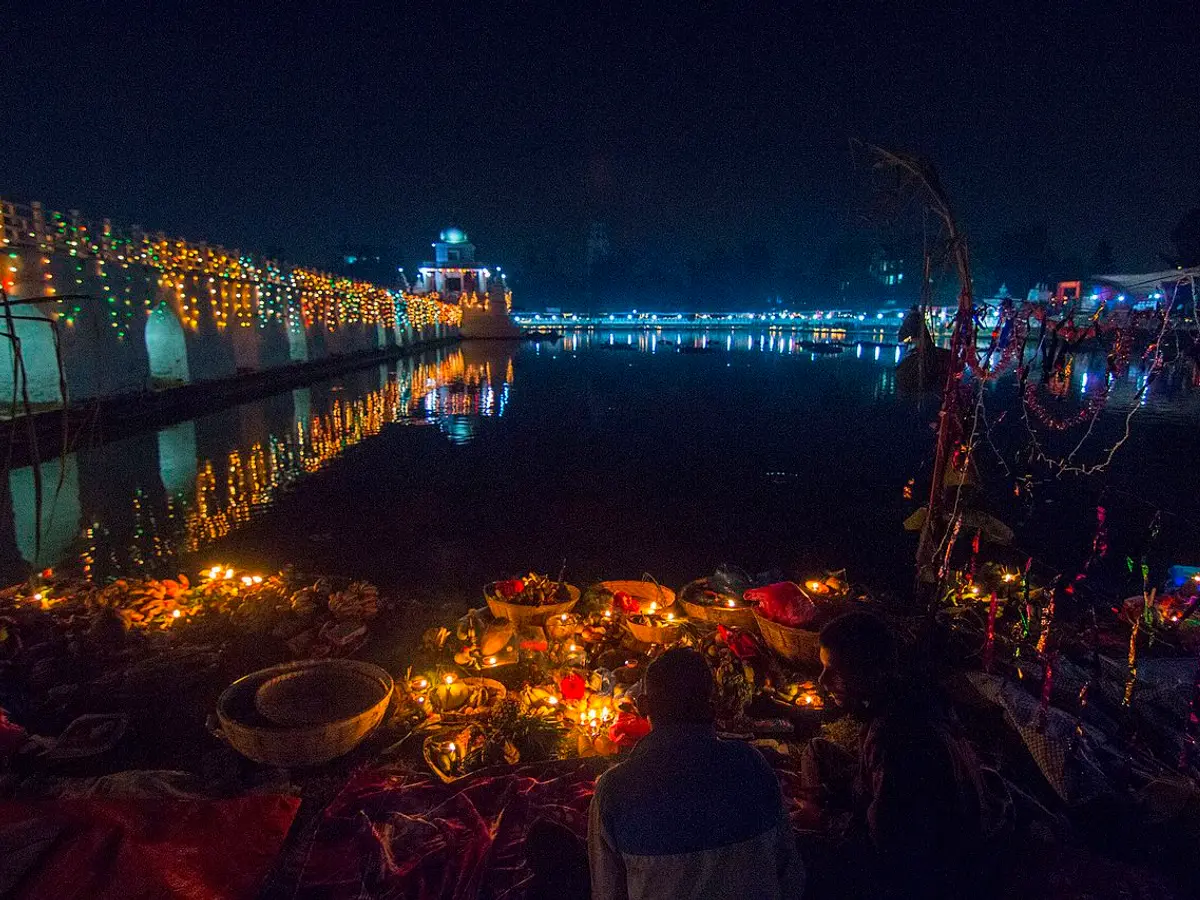
From Ramayana to Mahabharata! References to Chhath Puja in ancient Hindu texts


The festival of Chhath Puja, celebrated with devotion in parts of India and Nepal, finds its roots in ancient Hindu epics rather than only folk tradition. In the Ramayana, it is believed that Sita observed the ritual of offering to the Sun God after returning from exile with Rama, as part of penance and gratitude. Meanwhile, in the Mahabharata, figures such as Karna—son of the Sun—and Draupadi with the Pandavas are described as performing similar rites seeking divine favour during their trials. Over time, these mythic connections have informed the understanding and observance of Chhath Puja, linking sun-worship, harvest thanks, and familial well-being in one enduring festival.
The Key points
- Chhath Puja draws on mentions in the Ramayana that Sita observed a fast and offered prayers to the Sun after returning with Rama from exile.
- In the Mahabharata, Karna is associated with sun-worship and is believed to have performed ritual offerings that prefigure Chhath.
- Draupadi and the Pandavas are described in the epic as turning to sun-devotion rites (Chhath-type observances) to regain their lost kingdom.
- The festival’s name comes from “Shashthi” (sixth) and is observed on the sixth day of the lunar cycle in Kartika month.
- Rituals include bathing in a river or water body, fasting without water, and offering “arghya” to the setting and rising sun.
- The festival is tied to harvest-gratitude and reflects ancient Vedic traditions of sun worship and purification.
- No idols are installed during Chhath; instead, the natural elements—sun, water, light—take centre‐stage.
- Observance is often generational—families continue the practice from year to year, especially when there is no death in the house that year.
- Geographically, it is particularly celebrated in the Indian states of Bihar and Uttar Pradesh and in Nepal, with rivers and pond-banks as key locations.
- Modern interpretations highlight both its mythic origin in epic texts and its social role in bringing communities together at dawn and dusk for shared devotion.
Disclaimer: This preview includes title, image, and description automatically sourced from the original website (www.wionews.com) using publicly available metadata / OG tags. All rights, including copyright and content ownership, remain with the original publisher. If you are the content owner and wish to request removal, please contact us from your official email to no_reply@newspaperhunt.com.