$100,000 H-1B visa fee: Who pays, who doesn’t? Trump admin attempts to settle confusion over policy - The Times of India


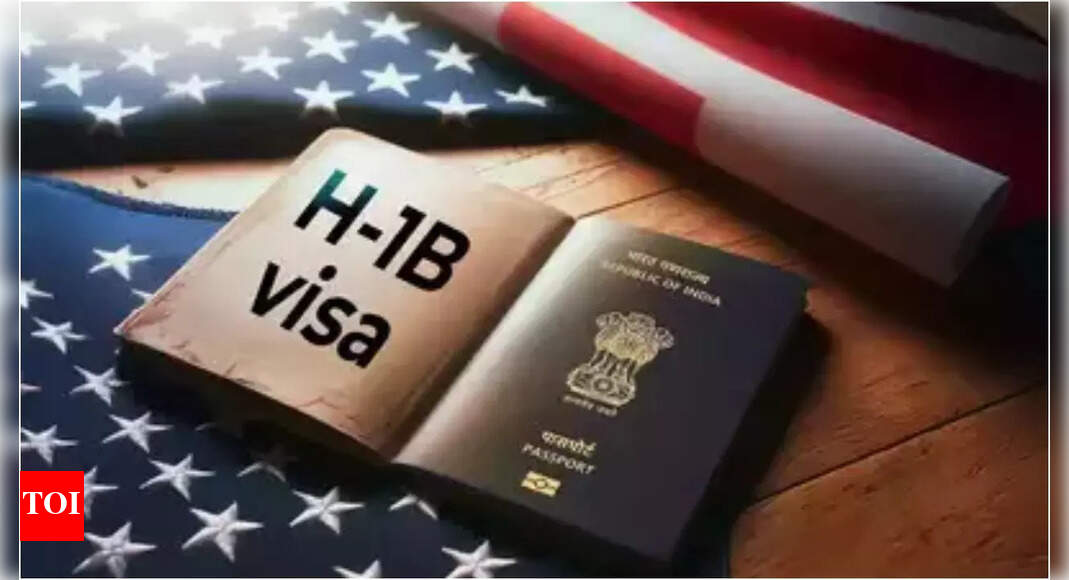
The H‑1B visa program in the U.S. is undergoing a major change following a proclamation by Donald Trump’s administration. The new rule introduces a $100,000 fee that companies must pay for certain H-1B visa petitions, aimed at limiting entry of lower-paid foreign workers and promoting higher-wage hires. However, the administration clarified that this fee will not apply to persons who already hold valid H-1B status or to straightforward renewals with the same employer. Employers and visa-holders alike are navigating the confusion: which filings trigger the new cost, which are exempt, and how the implementation will play out over time. The shift has implications for tech companies, outsourcing firms and foreign workers — especially those from India, who make up a large share of current H-1B holders.
The Key points
- A presidential proclamation requires a $100,000 fee for certain new H-1B visa petitions and entry into the U.S. under that status.
- The rule takes effect from 12:01 a.m. (ET) on September 21 2025 for eligible petitions filed by or for individuals outside the U.S.
- The fee is not applied to current H-1B visa holders or to renewals with the same employer under existing petitions.
- Transfers to a new employer or initial petitions for applicants outside the U.S. are more likely to trigger the $100,000 charge.
- The proclamation allows exemptions if hiring an H-1B worker serves a U.S. national-interest exception (NIE).
- The administration frames the fee hike as a measure to protect U.S. workers by discouraging low-wage foreign hires.
- Opponents say the fee will raise costs for employers, reduce access to global talent and may drive jobs offshore.
- Indian IT firms and the Indian government have flagged concerns about disruption to families and projects due to the sudden policy change.
- The policy’s precise scope—such as whether the fee is annual or one-time—is subject to further guidance and legal scrutiny.
- The rule is currently set for 12 months but may be extended, depending on subsequent rule-making by relevant agencies.
Disclaimer: This preview includes title, image, and description automatically sourced from the original website (timesofindia.indiatimes.com) using publicly available metadata / OG tags. All rights, including copyright and content ownership, remain with the original publisher. If you are the content owner and wish to request removal, please contact us from your official email to no_reply@newspaperhunt.com.