19 dead in 9 months, brain-eating amoeba has Kerala worried


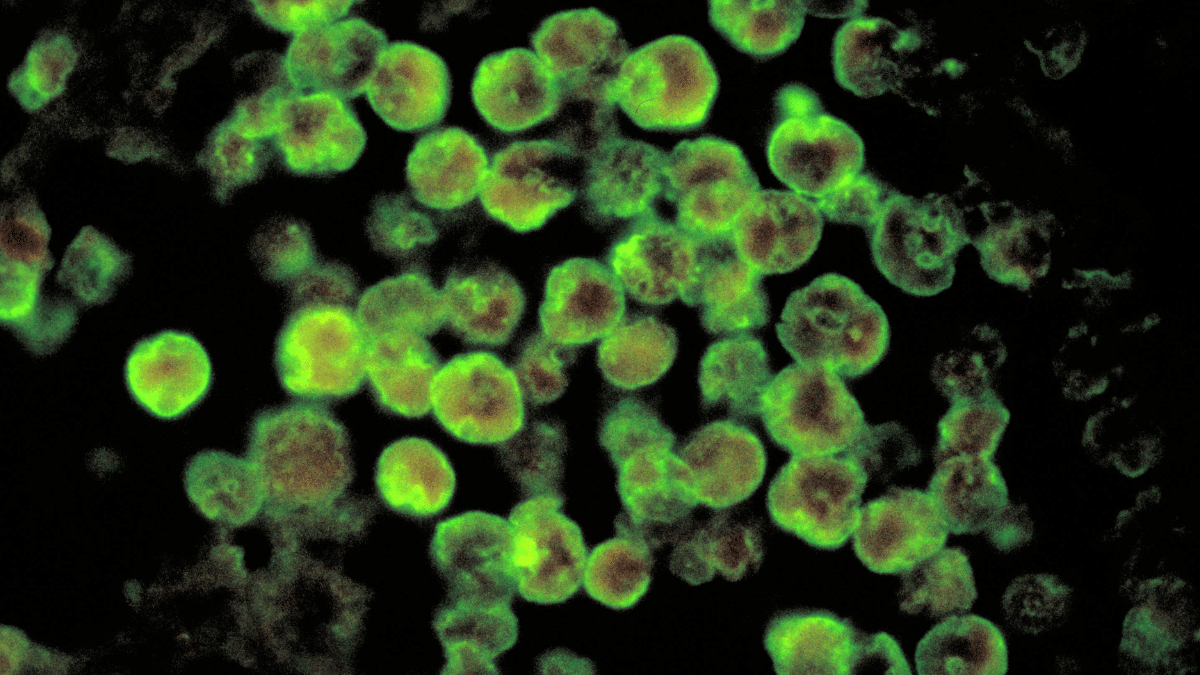
Kerala is facing a growing health challenge after the detection of Naegleria fowleri, a rare but deadly brain-eating amoeba. Over the past nine months, 19 people, including several children, have lost their lives to this infection, which primarily spreads through contaminated freshwater entering the body via the nose. The parasite attacks the brain, causing severe inflammation and leading to rapid deterioration in health. Despite medical interventions, survival rates remain extremely low, making prevention the most effective strategy. Health officials are now working to identify possible sources of infection, monitor water bodies, and spread awareness about protective measures such as avoiding swimming in untreated water. With cases continuing to rise, the state government is intensifying its research and surveillance efforts while urging residents to exercise caution. The situation highlights the urgent need for better detection methods, rapid treatment protocols, and stronger public health preparedness to tackle rare but lethal infections.
The Key points
- Kerala reported 19 deaths in nine months from amoeba.
- The infection is caused by Naegleria fowleri, a brain-eating parasite.
- It spreads when contaminated freshwater enters the nasal passages.
- Children and young adults are among the most affected groups.
- Symptoms include fever, headache, nausea, and neurological decline.
- Fatality rates are extremely high, with limited treatment success.
- Health teams are inspecting rivers, lakes, and other water sources.
- Public advised to avoid swimming in untreated freshwater bodies.
- Authorities are boosting awareness campaigns on preventive hygiene.
- State exploring advanced research and rapid response strategies.
Disclaimer: This preview includes title, image, and description automatically sourced from the original website (theprint.in) using publicly available metadata / OG tags. All rights, including copyright and content ownership, remain with the original publisher. If you are the content owner and wish to request removal, please contact us from your official email to no_reply@newspaperhunt.com.