Famous monkey-face ‘Dracula’ orchids are vanishing in the wild


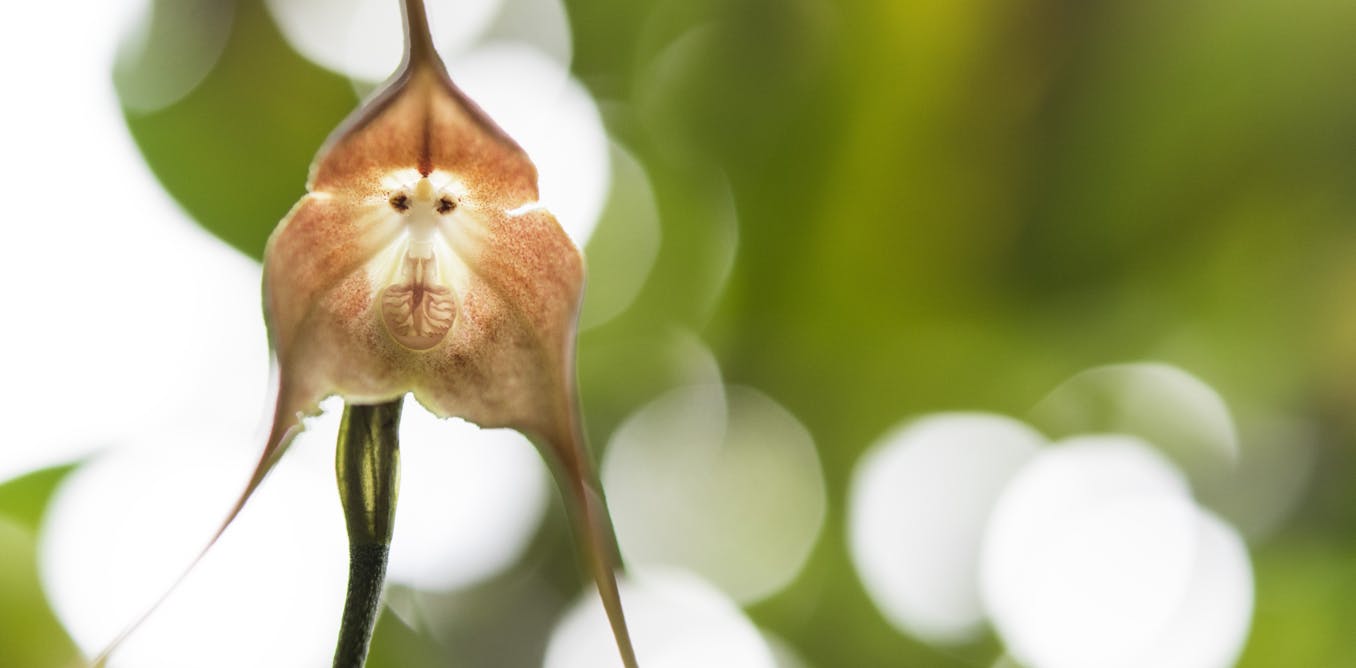
Monkey-face Dracula orchids, known for their striking resemblance to tiny primates, are facing severe threats in the wild. Native to the cloud forests of Central and South America, these orchids rely on specific habitats with high humidity and cool temperatures. Habitat destruction, climate change, and illegal collection have caused their populations to decline sharply. Scientists warn that without urgent conservation efforts, these unique and visually captivating orchids may vanish entirely. Efforts are underway to monitor remaining populations, protect their natural habitats, and encourage sustainable cultivation to reduce pressure on wild plants. Preserving these orchids is not only crucial for biodiversity but also for the ecosystems they support, highlighting the delicate balance between human activity and natural conservation.
The Key points
- Monkey-face Dracula orchids are native to Central and South American cloud forests.
- They are highly recognizable due to their primate-like appearance.
- Their survival depends on humid, cool habitats.
- Deforestation is a major threat to their natural populations.
- Climate change is altering the microclimates they need.
- Illegal collection by plant enthusiasts accelerates their decline.
- Conservationists are monitoring remaining wild populations.
- Habitat protection is essential to prevent extinction.
- Sustainable cultivation is encouraged to reduce wild harvesting.
- Preserving these orchids helps maintain biodiversity and ecosystem health.
Disclaimer: This preview includes title, image, and description automatically sourced from the original website (theconversation.com) using publicly available metadata / OG tags. All rights, including copyright and content ownership, remain with the original publisher. If you are the content owner and wish to request removal, please contact us from your official email to no_reply@newspaperhunt.com.