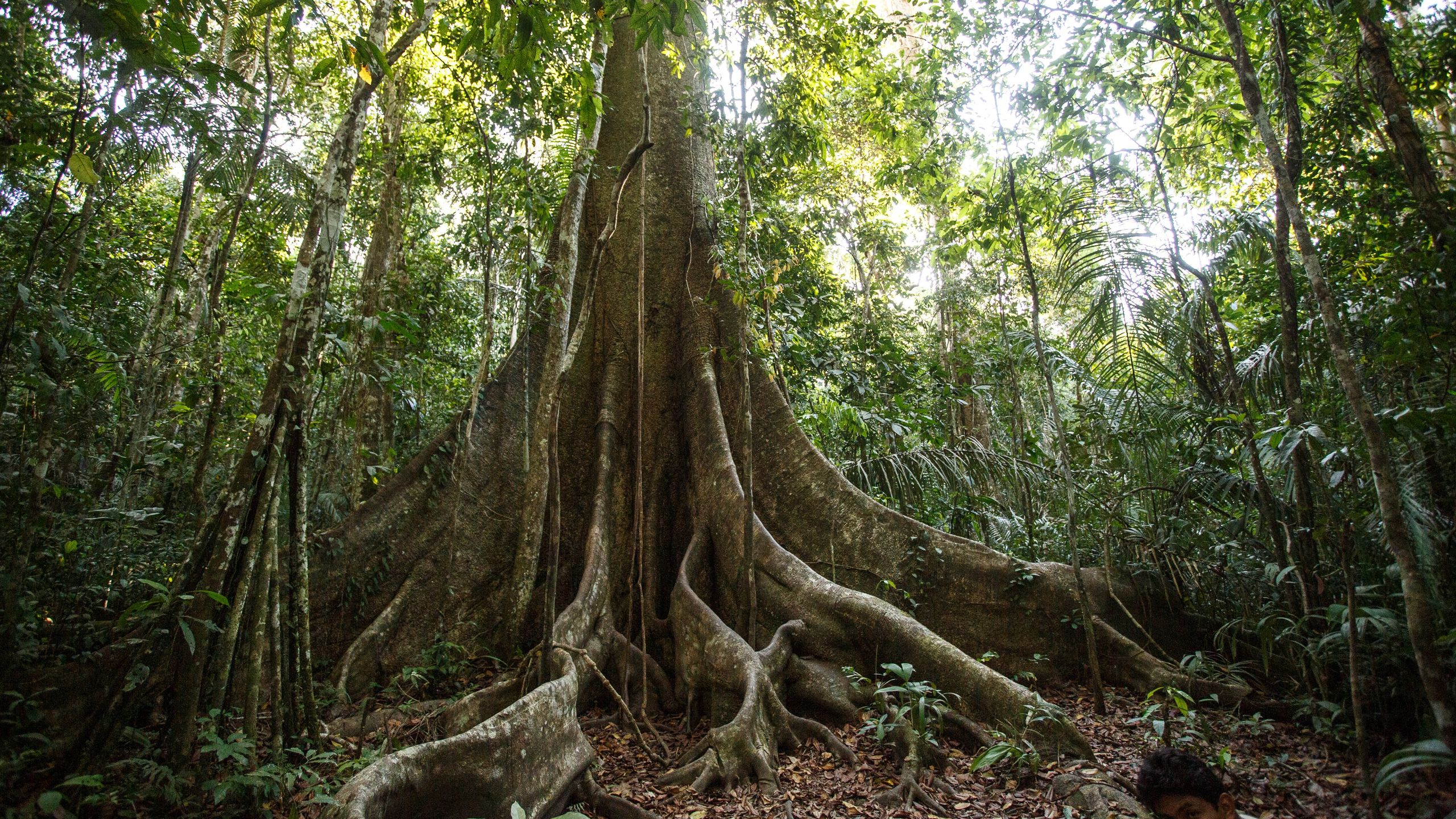
'The whole forest has changed': Amazon trees are getting fatter due to rising CO2 in the atmosphere


Recent research reveals a striking shift in the Amazon: trees across all sizes are increasing in trunk thickness in response to rising atmospheric CO₂. Since the 1970s, scientists have tracked tree growth in nearly 200 forest plots across the Amazon, documenting an average increase of 3.3% per decade in trunk girth. Rather than just large trees benefitting, smaller ones appear to be benefiting too, suggesting a widespread “shared benefit” effect. This growth boost enables trees to store more carbon, hinting at greater resilience to climate stress than previously assumed. However, researchers caution this trend might not last: increasing heat, drought, fires, and storms may erode gains. Preserving intact forest ecosystems remains critical to maintaining carbon sequestration and protecting forest health as climate pressures intensify.
The Key points
- Amazon trees are growing thicker trunks in response to higher CO₂ levels.
- Across decades, trunk circumference has increased ~3.3% per decade on average.
- All tree sizes—small, medium, and large—show growth gains, pointing to a “benefits shared” response.
- This trend contrasts with the “winners-take-all” model, where only large trees prosper.
- Thicker trunks mean increased carbon storage, enhancing forest’s carbon sink potential.
- The growth boost suggests Amazon forests may resist climate stress better than expected.
- Still, climate risks like heat, drought, storms, and fires may undermine long-term growth.
- None of the surveyed plots recorded declines in basal area so far.
- Over time, large trees may dominate and overshadow smaller ones if the trend shifts.
- Maintaining undisturbed, intact forest areas is essential for protecting this resilience.
Disclaimer: This preview includes title, image, and description automatically sourced from the original website (www.livescience.com) using publicly available metadata / OG tags. All rights, including copyright and content ownership, remain with the original publisher. If you are the content owner and wish to request removal, please contact us from your official email to no_reply@newspaperhunt.com.