'An extreme end of human genetic variation': Ancient humans were isolated in southern Africa for nearly 100,000 years, and their genetics are stunningly different | Live Science


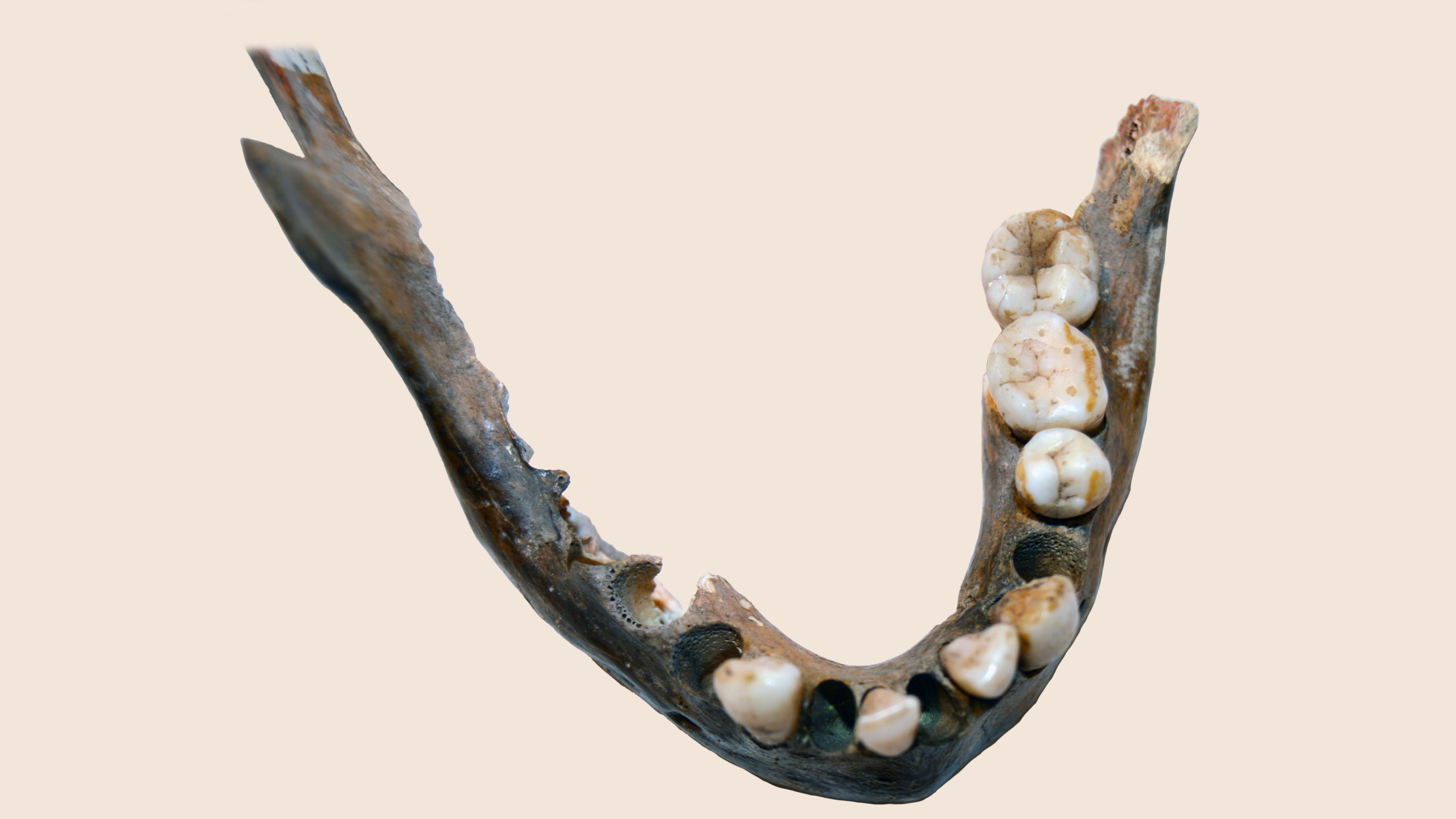
New genetic research shows that a group of ancient humans living south of the Limpopo River in southern Africa remained nearly completely isolated for almost 100,000 years. Scientists sequenced the genomes of 28 individuals — dating between about 225 and 10,275 years ago — and found that their DNA lies well outside the range of variation seen in both modern humans and ancient populations elsewhere. These isolated groups retained a distinct “ancient southern African” genetic legacy. Among their unique genetic traits were variants tied to kidney function and brain development, hinting at adaptations for water retention and possibly advanced cognitive capacities. This discovery challenges the notion of a single, uniform ancestral human lineage and supports a more complex view of human evolution in which multiple, regionally distinct populations contributed to the genetic makeup of today’s humans.
The Key points
- Researchers sequenced genomes from 28 ancient individuals who lived south of the Limpopo River, between roughly 225 and 10,275 years ago.
- Their genetic profiles fall far outside the variation seen in modern humans — ancient southern Africans represent one extreme of human genetic diversity.
- This population remained isolated from other human groups until about A.D. 550, with almost no gene flow from outside until then.
- The “ancient southern African ancestry component” comprises a massive chunk of human genetic variation, previously unrecognized.
- Genomic variants unique to this population include those associated with kidney function — possibly an adaptation for water regulation.
- Other unique variants relate to neuron growth, suggesting potential differences in brain development or cognition.
- Statistical modeling suggests their population remained large for much of early human history, and only declined significantly after ~50,000 years ago.
- The findings support a “combinatorial” model of human evolution — where different regional populations contributed diverse genetic variants over time.
- This challenges older views that modern humans emerged from a single, uniform ancestral group.
- The study underlines the importance of exploring ancient DNA from underrepresented regions to fully understand human evolutionary history.
Disclaimer: This preview includes title, image, and description automatically sourced from the original website (www.livescience.com) using publicly available metadata / OG tags. All rights, including copyright and content ownership, remain with the original publisher. If you are the content owner and wish to request removal, please contact us from your official email to no_reply@newspaperhunt.com.