Genetic mutation in some East Asians linked to aldehyde storm and increased liver disease risk


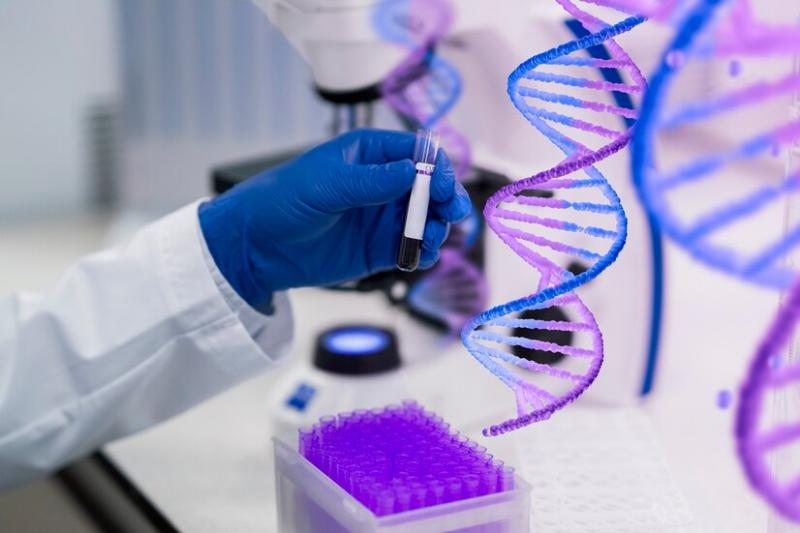
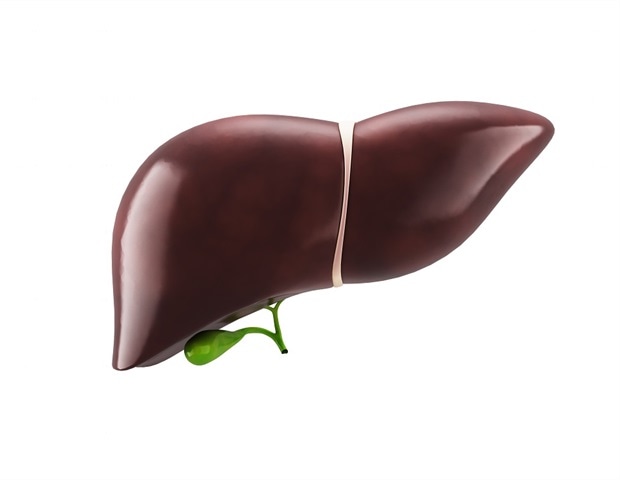
A recent study highlights how a specific genetic mutation, common among certain East Asian populations, may heighten vulnerability to liver disease. Researchers discovered that this mutation triggers an “aldehyde storm,” a harmful buildup of toxic compounds that the body normally breaks down after alcohol consumption or metabolic processes. When left unchecked, these aldehydes can damage liver cells, increase inflammation, and accelerate the development of chronic conditions such as fatty liver disease, cirrhosis, and liver cancer. This finding explains why liver disease rates are disproportionately high in some East Asian groups compared to other populations. Scientists emphasize that early detection of this mutation could support better health management and preventive strategies, especially for individuals with a family history of liver disorders. The study also underscores the importance of lifestyle choices, including limited alcohol intake, in reducing risk for those genetically predisposed to aldehyde buildup and liver complications.
The Key points
- Genetic mutation identified in East Asian populations.
- Mutation linked to excessive aldehyde accumulation.
- Aldehyde storm damages liver cells and tissues.
- Increases risk of fatty liver and cirrhosis.
- Heightens chances of liver cancer development.
- Explains higher liver disease prevalence in East Asians.
- Early genetic screening recommended for at-risk groups.
- Alcohol consumption worsens aldehyde-related liver damage.
- Preventive lifestyle changes can reduce complications.
- Research supports personalized healthcare for liver disease prevention.
Disclaimer: This preview includes title, image, and description automatically sourced from the original website (www.news-medical.net) using publicly available metadata / OG tags. All rights, including copyright and content ownership, remain with the original publisher. If you are the content owner and wish to request removal, please contact us from your official email to no_reply@newspaperhunt.com.